Google is about to rewrite the rules of the world’s biggest mobile platform—and every developer needs to pay attention.
Why This Matters
Starting in 2026, every single Android app installed on a certified device must be tied to a Google-verified developer identity, whether it comes from Google Play, a third-party store, or a direct APK download. The policy ends the era of anonymous sideloading and creates a single, global registry of Android developers.
At first glance the change looks like a simple ‘ID check’. In reality, it’s a seismic shift that will:
- Raise the cost of malware distribution.
- Create new barriers—and new opportunities—for indie and open-source devs.
- Hand Google a powerful new choke-point over the entire ecosystem.
Key Dates at a Glance
| Phase | Milestone | What Happens |
|---|---|---|
| Aug 2025 | Policy announced | Google reveals universal verification plan |
| Oct 2025 | Early-access opens | Selected devs begin verification, provide feedback |
| Mar 2026 | Verification for all | Console open worldwide; six-month compliance window |
| Sep 2026 | First enforcement | Blocking of unverified apps in Brazil, Indonesia, Singapore, Thailand |
| 2027 + | Global rollout | Gradual expansion to all certified devices |
The Security Play
Google’s pitch is straightforward: most Android malware comes from anonymous, off-store APKs. By removing anonymity, criminals lose their “infinite lives” ability to respawn new accounts after a ban.
It’s an economic control, not a magic bullet. Well-resourced actors can still use stolen IDs or shell companies. But bulk ad-fraud and ‘spray-and-pray’ Trojans suddenly become a lot less profitable.
“Think of it like an ID check at the airport—not the X-ray scanner.” —Google Security Blog
How It Complements Play Protect
Play Protect (200 B+ daily scans) will keep vetting code after installation. If a verified dev ships malware, their identity can be permanently revoked—instantly blocking every future app they sign.
Winners & Losers
Indie & Hobby Devs
- Pain points: public name/address on Play, 20-tester closed-test rule, paperwork fatigue.
- Opportunity: Google promises a free “Student & Hobbyist” tier—details TBD. If generous, it could preserve Android’s grassroots culture.
FOSS & F-Droid
- Verification clashes with anonymity values.
- One proposal: F-Droid signs all builds under a single org account—but a revoked key would take every app down.
- Some power-users may flee to de-Googled ROMs (LineageOS, GrapheneOS) where the rule doesn’t apply—trading security for freedom.
Enterprises & Big Studios
- Already comply with D-U-N-S and know-your-developer checks on other platforms.
- Benefit from lower malware noise and higher user trust.
How Does This Stack Up Against Apple?
| Feature | Google Android (2026+) | Apple iOS |
|---|---|---|
| Account Fee | $25 one-time (free hobby tier promised) | $99/yr |
| Distribution | Play Store or any channel | App Store only (EU loopholes aside) |
| Verification | Gov-ID (individual) / D-U-N-S (org) | Same |
| Review Speed | Mostly automated (hours) | Human review (days) |
Google is converging on Apple’s identity stance while still selling “open roads” distribution. Time will tell if that middle path works.
Threat Landscape Snapshot
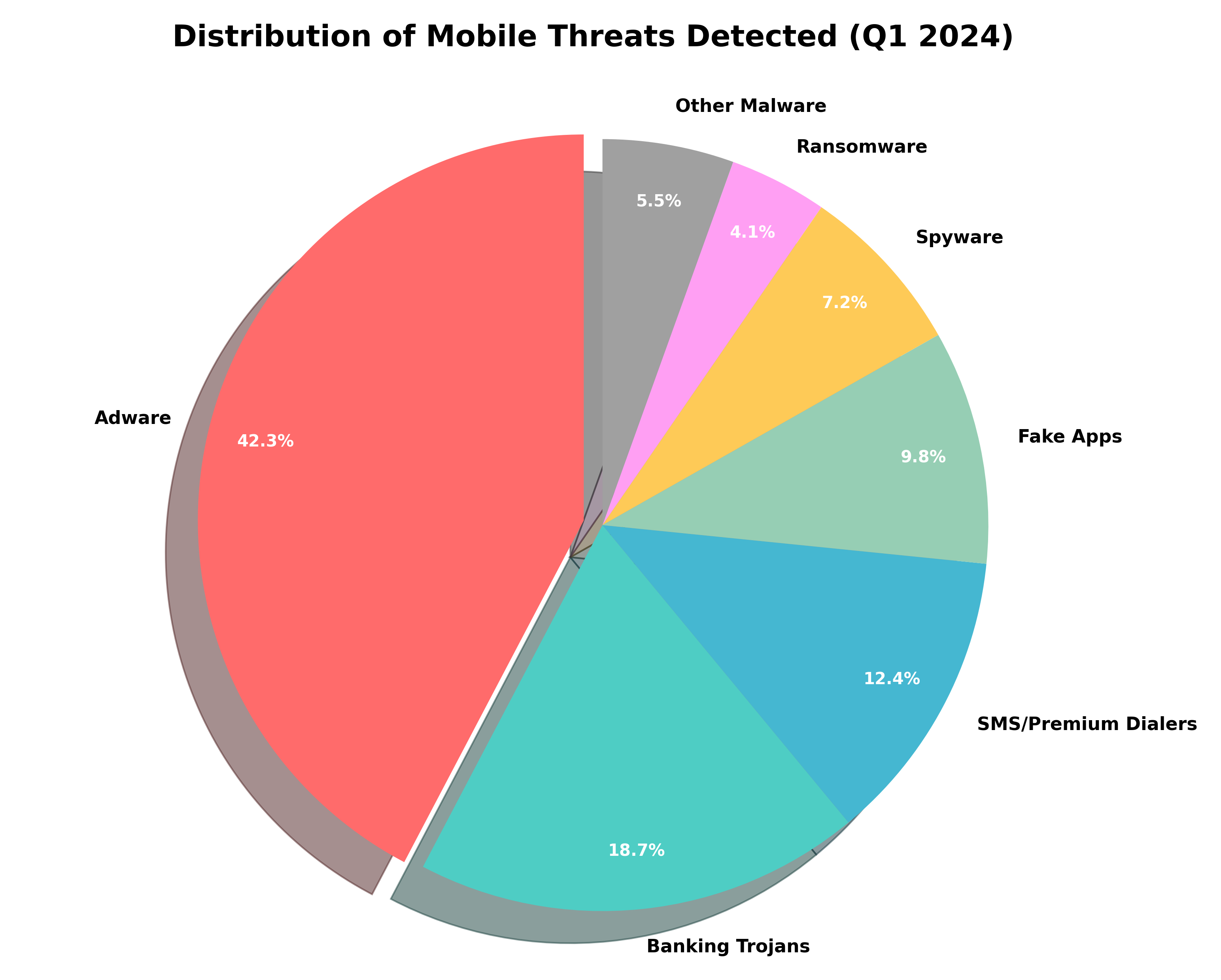
*Adware continues to dominate, but banking Trojans jumped 196% year-on-year, reflecting increased financial targeting._
What Should Developers Do Now?
- Pick your lane: decide between Individual vs Organization. Need privacy? Start your LLC and request a D-U-N-S number today (it can take 30 days).
- Lock down your account: treat Play Console credentials like production secrets. Enable 2-factor everywhere.
- Stay informed: sign up for Google’s early-access and follow the Android Dev Blog.
- FOSS maintainers: organise and lobby for a workable hobby tier—silence helps no one.
The Bigger Picture
Google is building a “gated community with open roads.” Entry requires a licence, but once inside you can drive wherever you like. That licence—the verified developer account—is now the ultimate control knob for security, policy enforcement, and, potentially, government regulation.
Whether Android retains its reputation for openness will hinge on how Google balances safety with grassroots innovation over the next 24 months.